
Everything you need to choose the right medium, size, and source — so you invest in something you'll love for decades.
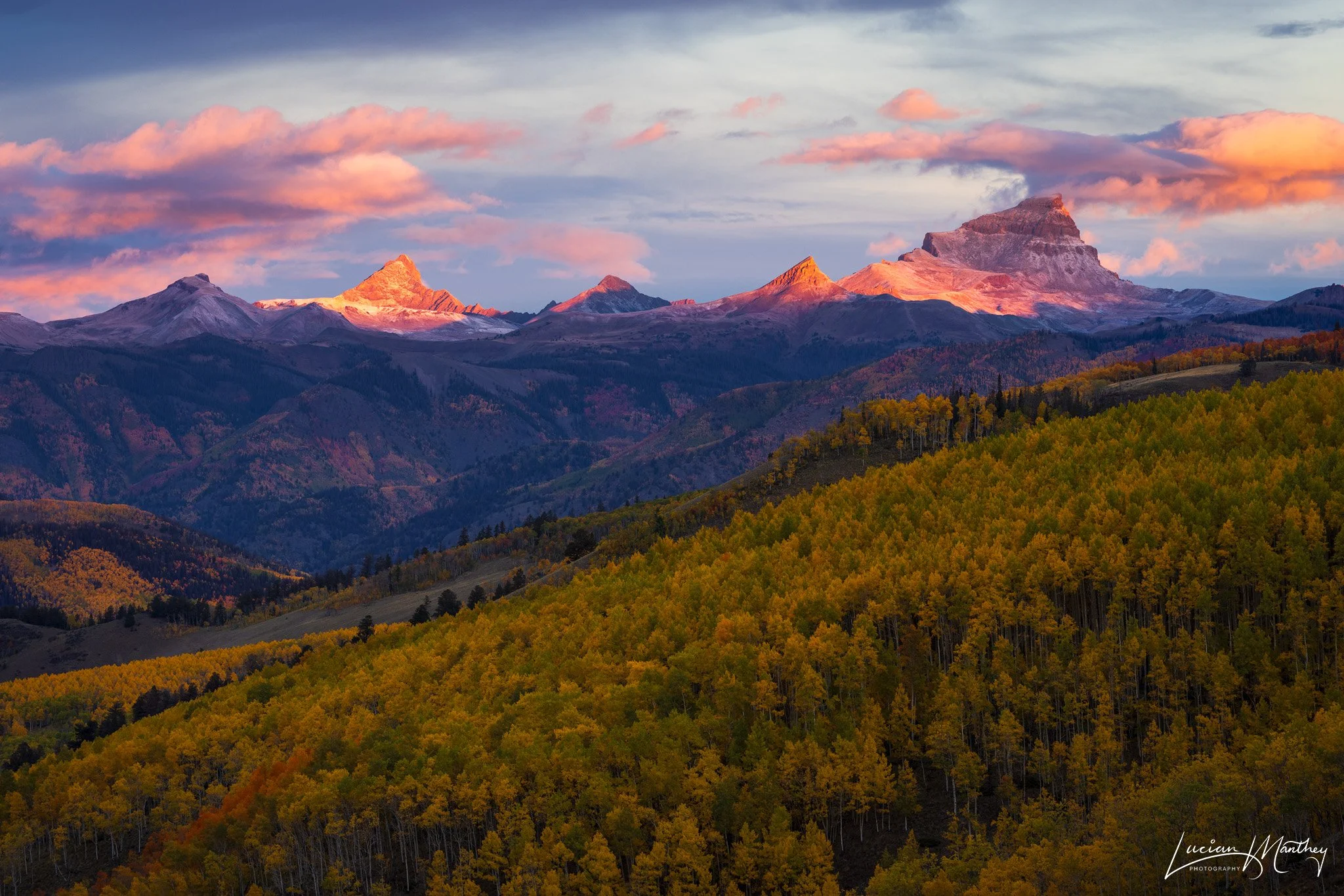
So you've found a photograph that really speaks to you. Maybe it's the Maroon Bells reflected in an alpine lake at sunrise or a corridor of golden aspen trees along a dirt road. You knew immediately you wanted it on your wall.
Then came the questions. Acrylic or metal? What size? Do you order through a marketplace or go straight to the photographer? And honestly, does the medium even matter that much, or is that just a gimmick that photographers use to justify their prices?
It matters, and quite a bit more than you'd think.
This guide walks you through everything you need to know in order to make confident purchases on Colorado landscape photography prints — from understanding print mediums to determining which size will look best as a statement piece in your living room.
Time needed: About 15 minutes to read. Potentially saves you from a $200–$600 mistake.
What Makes Colorado Landscapes Different to Print
Not all photography translates the same way to print. Colorado landscapes have characteristics that make the medium decision particularly meaningful, more so than portrait photography or architectural work.
Think about the tonal range you're working with. A single photograph might contain deep shadows inside a pine forest, brilliant snow reflecting midday sun, and dozens of shades in between. That kind of dynamic range is hard to photograph and even more challenging to print well. A lab or photographer that doesn't color-manage properly will flatten those shadows or blow out the highlights, and you won't know until the print arrives.
You also must think about texture and detail. A close-up of lichen on granite carries texture your eye expects to see. Grand scenics (wide-angle landscape images that capture sweeping, majestic vistas) require excellent sharpness from the closest flower to the most distant mountain peak.
This isn't a knock on other subjects, it's just context for why the print medium you choose changes the final result more than buyers typically expect — and why cutting corners on quality shows faster with fine art landscapes than with most other subjects.
The Four Print Mediums, Honestly Explained
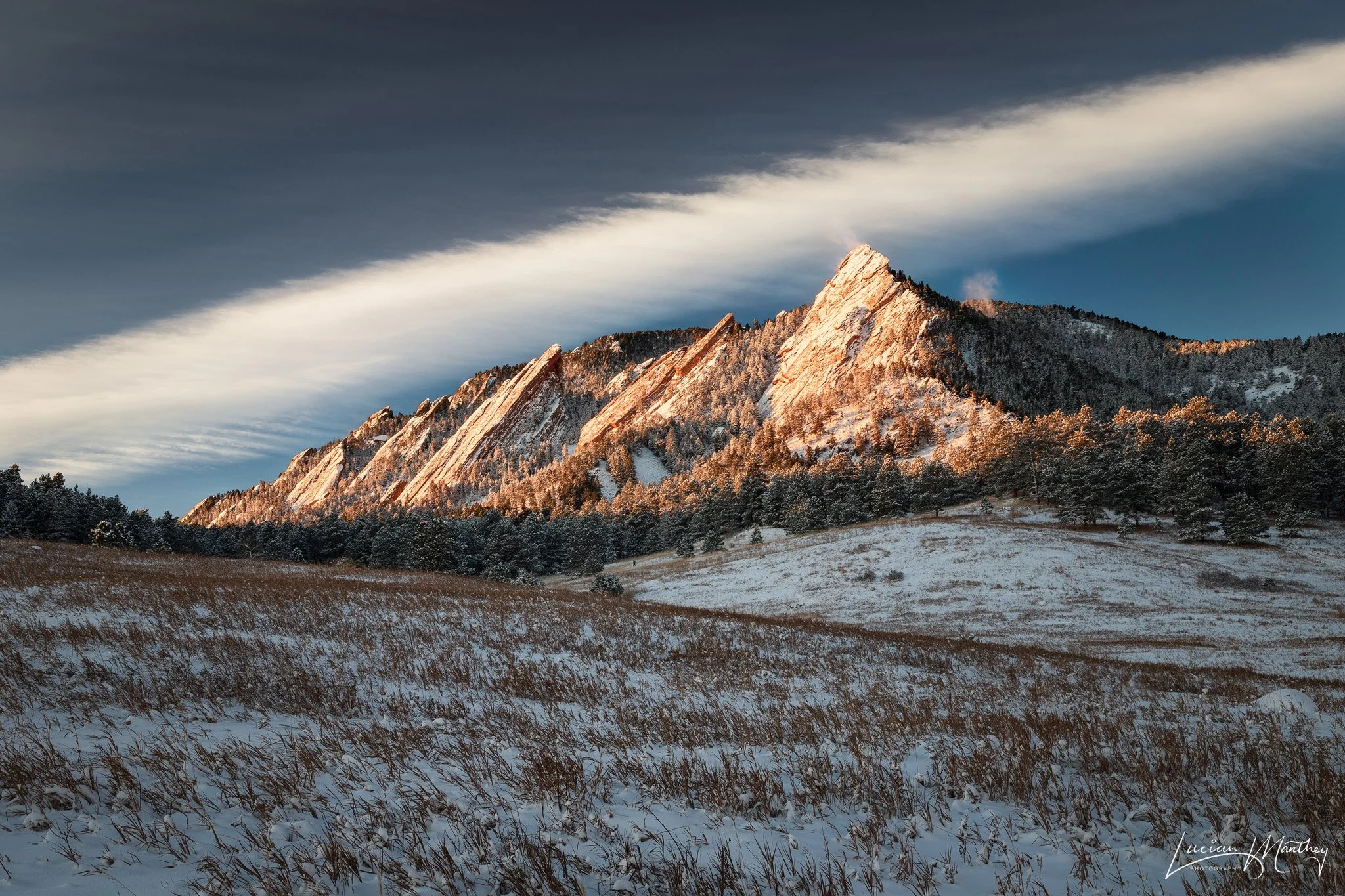
There are four main options you'll encounter when shopping for Colorado landscape photography prints. Here's what each does well, where each falls short, and who each is actually right for.
Option 01
Fine Art Paper (Giclée)
This is the standard bearer of fine art printing. Giclée prints — the name comes from the French word for "spray," referring to the inkjet process — deliver the highest color accuracy and resolution of any print medium available. Museums use them. Galleries use them. When color fidelity is the priority, you can't beat this option.
The printing process uses archival pigment inks on acid-free, cotton rag paper. When properly framed and kept out of direct sunlight, these prints can last well over a century without significant fading. The paper itself has a tactile quality that other mediums can't replicate — a slight texture that, depending on the paper stock, can range from smooth matte to something that genuinely resembles watercolor paper.
What you give up: the "wow factor" when someone walks into a room. Giclée is quieter than acrylic or metal prints. It requires framing (which adds additional cost and planning), and the look is more traditional rather than modern. It won't stop someone mid-sentence the way an illuminated acrylic print will, but for someone who wants the most accurate representation of what the photographer actually captured, giclée is a great option. I recommend this print medium for smaller pieces, more intimate scenes, and even macro (close-up) photographs with lots of texture.
Worth knowing: the quality variation on giclée prints is enormous. Budget print services and premium fine art labs both call their output "giclée," or "Fine Art Prints." The difference is in the ink formulation, the paper stock, and the color management process. A properly produced giclée is exceptional. A cheaply produced one is just a fancy term for an inkjet print.
Option 02
Gallery Metal Fine Art Prints
Different from the popular ChromaLuxe Metal, Gallery Metal prints are a new type of metal print featuring a design that combines ultra-high resolution inkjet printing with the sleek appearance of traditional ChromaLuxe metal. Mounted to a rigid 1/8" aluminum composite panel and protected with a UV-inhibiting laminate, they offer enhanced durability, improved sharpness, and excellent color accuracy. Available in scratch-resistant glossy and matte laminate finishes, Gallery Metal pieces ship ready to hang right out of the box.
For Colorado landscapes, metal does something interesting with saturated subjects — scenes like a red-rock canyon at dawn, a wildflower meadow in peak bloom, or a valley of golden aspens with a blazing sunset overhead. The colors appear almost luminous. The contrast feels electric. Some people love this, while others find it too intense for their space. Glossy metal prints appear more saturated than matte metal prints, though they also reflect more glare.
The major limitation with metal is glare. While using a matte metal finish helps, metal prints often reflect light from windows and overhead lights more than other mediums — matte finishes help, but don't eliminate it entirely.
Mid-range price point. No framing required. Durable enough for bathrooms, kitchens, and sheltered outdoor areas. If you want something that hangs in 20 minutes and looks great for decades, you should seriously consider getting a metal print.
Option 03
Acrylic Prints (TruLife)
Acrylic is the most premium option — both in visual impact and price.
Light refracts through the acrylic face mount, creating a near-three-dimensional quality that's difficult to describe until you've seen one of these prints in person. Colors appear more saturated than on screen. The image seems to have depth, almost like you're looking through a window rather than at a flat surface. Large-format acrylic prints have an immediacy to them that other mediums can't match.
TruLife Acrylic specifically — which is the industry benchmark for fine art face mounting — uses an anti-reflective museum-grade face acrylic that dramatically reduces glare compared to standard acrylic or metal prints. Behind the print, an archival aluminum dibond backing adds rigidity and prevents warping. UV-resistant coatings protect the print from fading. It's a multi-layer product, and the cost reflects that. Colorado wilderness photographs have a natural depth that acrylic amplifies and brings to life in any space.
Acrylic prints are great for statement pieces in modern or contemporary spaces, images where maximum visual impact is the goal, and anyone willing to invest in a centerpiece that will anchor a room and last for a lifetime.
Option 04
Canvas
Canvas is the accessible, familiar option. Warm, textured, and available at an affordable price point. No framing needed. Works in most interior styles. The gallery-wrap presentation — where the image wraps around the sides of a wooden stretcher frame — ships ready to hang and feels complete on its own.
Here's the honest trade-off: canvas softens images. That's intentional, as the texture mimics the look of traditional oil painting and works beautifully for that aesthetic. However, for a detailed mountainscape at sunrise, or the precise texture of an intimate scene, canvas misses out on detail that other mediums hold. The softening that makes portrait photography look painterly makes landscape photography look imprecise.
Canvas also underperforms on very dark or very saturated scenes. If the image depends on deep blacks holding their depth, canvas tends to gray those shadows out. If vibrant color is what drew you to the image, canvas will often present you with more muted colors.
None of that means canvas is a bad option for presenting fine art landscape photography. For a gallery wall with multiple prints, a bedroom that doesn't need a statement piece, or a space with a warm traditional aesthetic, canvas is a good choice.
Shop Colorado landscape prints
Gallery Metal, TruLife Acrylic & Giclée — free shipping on every order.
What Separates a Quality Print from a Mediocre One
Before we get into which medium fits which subject, it helps to know what to look for regardless of medium.
Color management. A properly color-managed workflow means the photographer is working in a calibrated color space, the print file is exported with an embedded profile, and the lab is producing to that profile. When this process isn't consistent or refined — a different profile, a miscalibrated monitor somewhere in the process — the print comes out looking wrong in ways that are hard to pinpoint but immediately noticeable. Ask whether the photographer oversees the color profile for their own prints, or whether the lab handles it independently.
Lab quality. Not all print labs are created equal. Professional fine art labs use high-end inkjet printing equipment with a wider color gamut, and they're staffed by professionals who understand color management. They're more expensive than commodity labs, and the difference shows in the output.
Archival standards. "Archival" is used loosely in the printing industry. Specifically: look for pigment-based inks (not dye-based, which fade faster), acid-free paper or substrates, and UV-protective coatings where applicable. A print that fades noticeably in 10 years wasn't produced to fine art standards.
Matching Your Colorado Subject to Its Medium
With those mediums understood, here's how to think about specific Colorado landscape photography subjects.
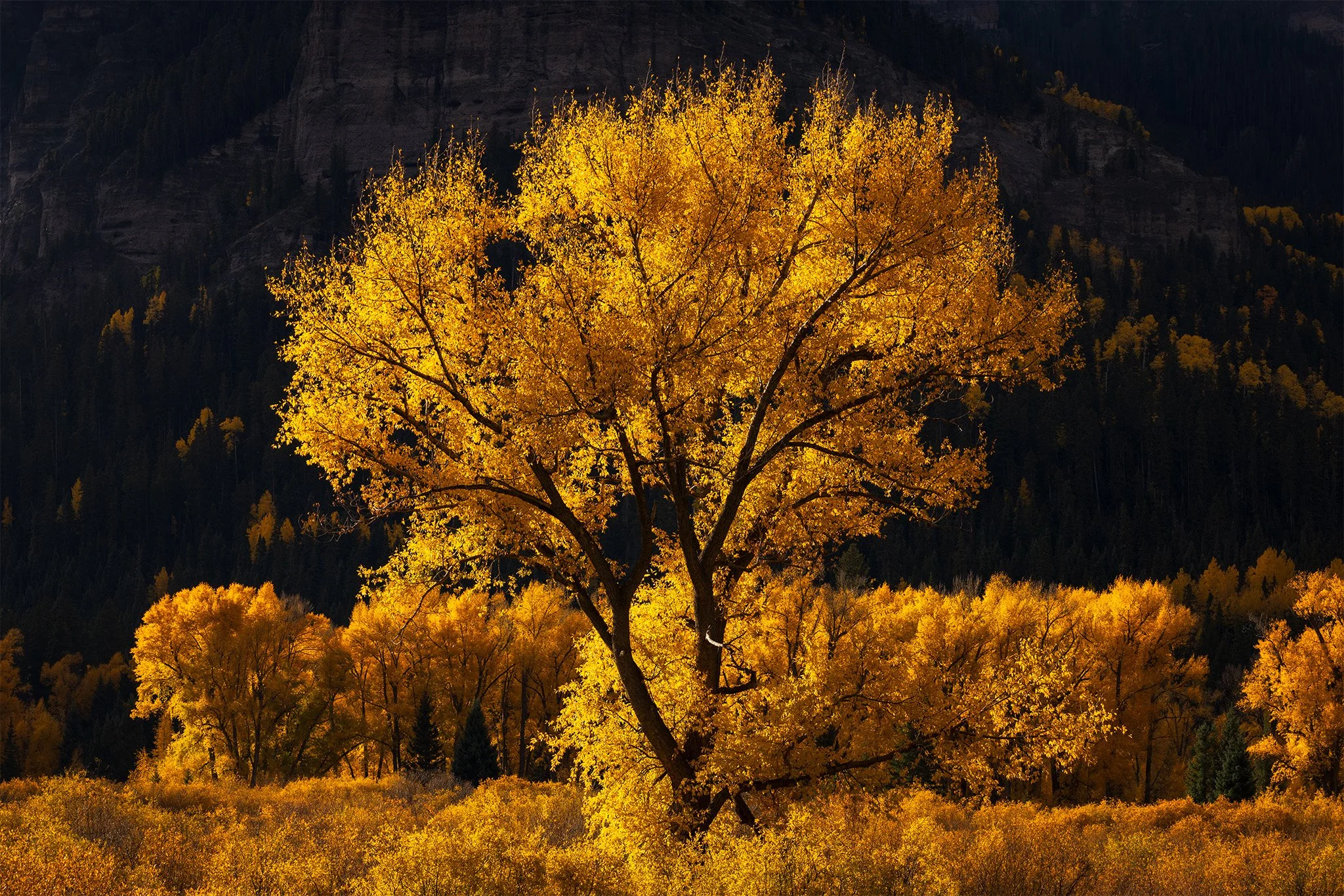
Aspen color photography — the golden fall scenes that define Colorado autumn — looks best in acrylic or metal. The yellow-gold tones are warm and saturated. Acrylic makes them feel almost backlit. Metal adds contrast and vividness that suits the punchy, celebratory nature of fall color. Giclée is also beautiful if you want subtle accuracy over drama. Canvas softens the color in a way that doesn't quite do these scenes justice. If you haven't yet explored Colorado's fall color photography in depth, my complete guide to Colorado fall colors photography covers the season, the locations, and what makes each one distinctive.
Night sky and Milky Way photographs require a medium that holds blacks without crushing the delicate details of the night sky. Giclée on a fine matte paper is often the best choice — it holds the subtle tonal transitions in the dark sky while keeping the stars crisp. Gallery Metal and TruLife Acrylic Prints also do wonders for night sky images, adding a luminous quality to the Milky Way core.
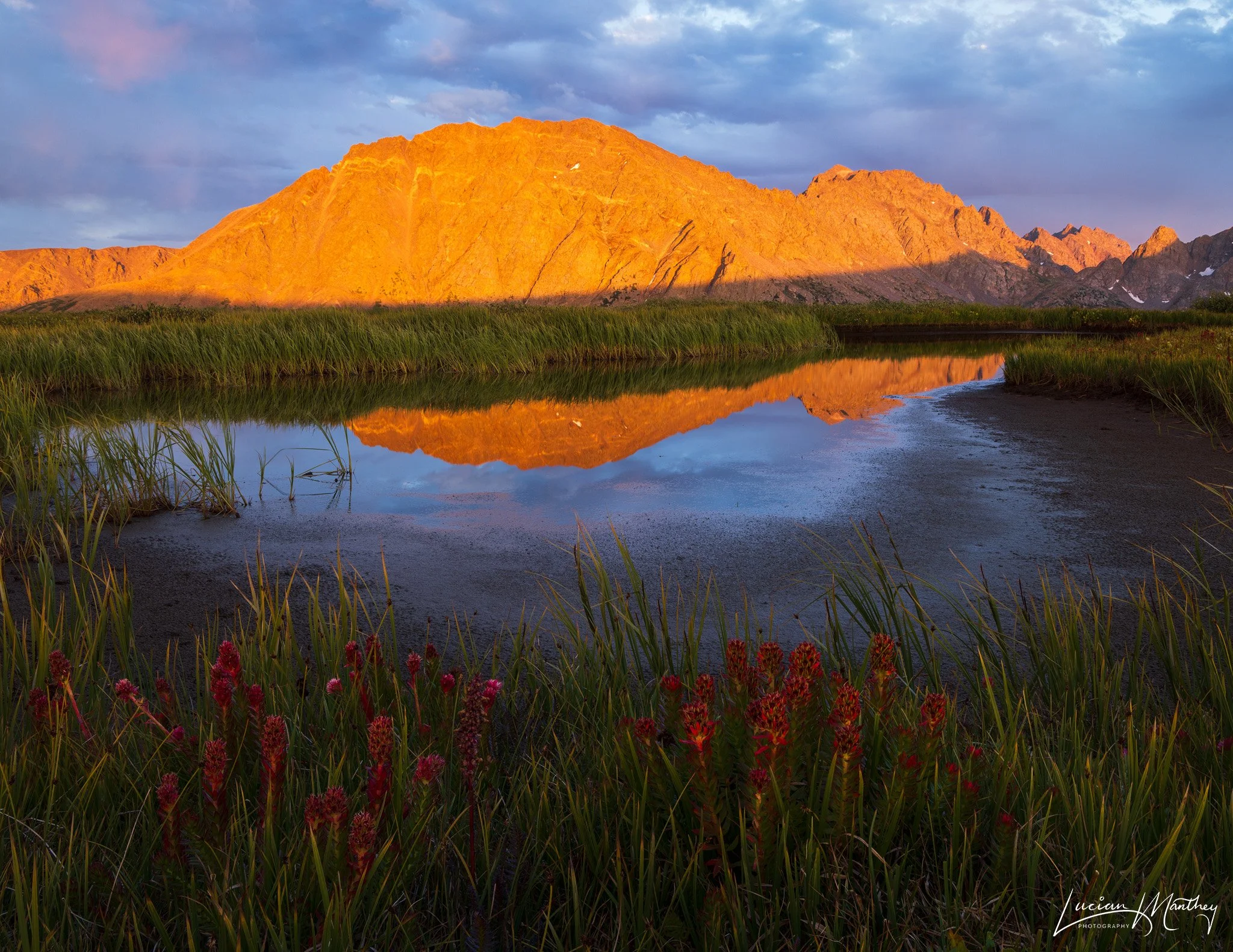
Mountain and high alpine scenes — Maroon Bells, the Sneffels Range, the Elk Mountains — work in nearly any medium. Acrylic is hard to beat for the sense of depth. A mountain reflection in acrylic has a quality that's genuinely remarkable. Gallery Metal is a strong second choice. Giclée works well for buyers who prefer a more traditional look.
Red rock and canyon country — Mesa Verde, the canyon country near Durango, the Palisade area along the Western Slope — tends to look excellent on Gallery Metal. The warm, saturated tones of sandstone under direct light are exactly what metal handles best. The high contrast medium amplifies the drama of these scenes.
Moody, low-light, and fog scenes are best served by giclée paper. A winter fog rolling through a valley, the soft blue light of pre-dawn, a forest scene backlit by a setting sun — these images depend on subtle tonal gradation that giclée preserves. For an in-depth look at Colorado mountain photography and which wall sizes work for each type of scene, see our guide to Colorado mountain photography wall art.
How to Size Your Print Without Getting It Wrong
Choosing the wrong size is a common mistake when buying Colorado landscape photography prints, and it almost always goes in the same direction: too small.
A print that looks substantial in an online mockup can feel like a postage stamp against a real wall. Here's a practical framework.
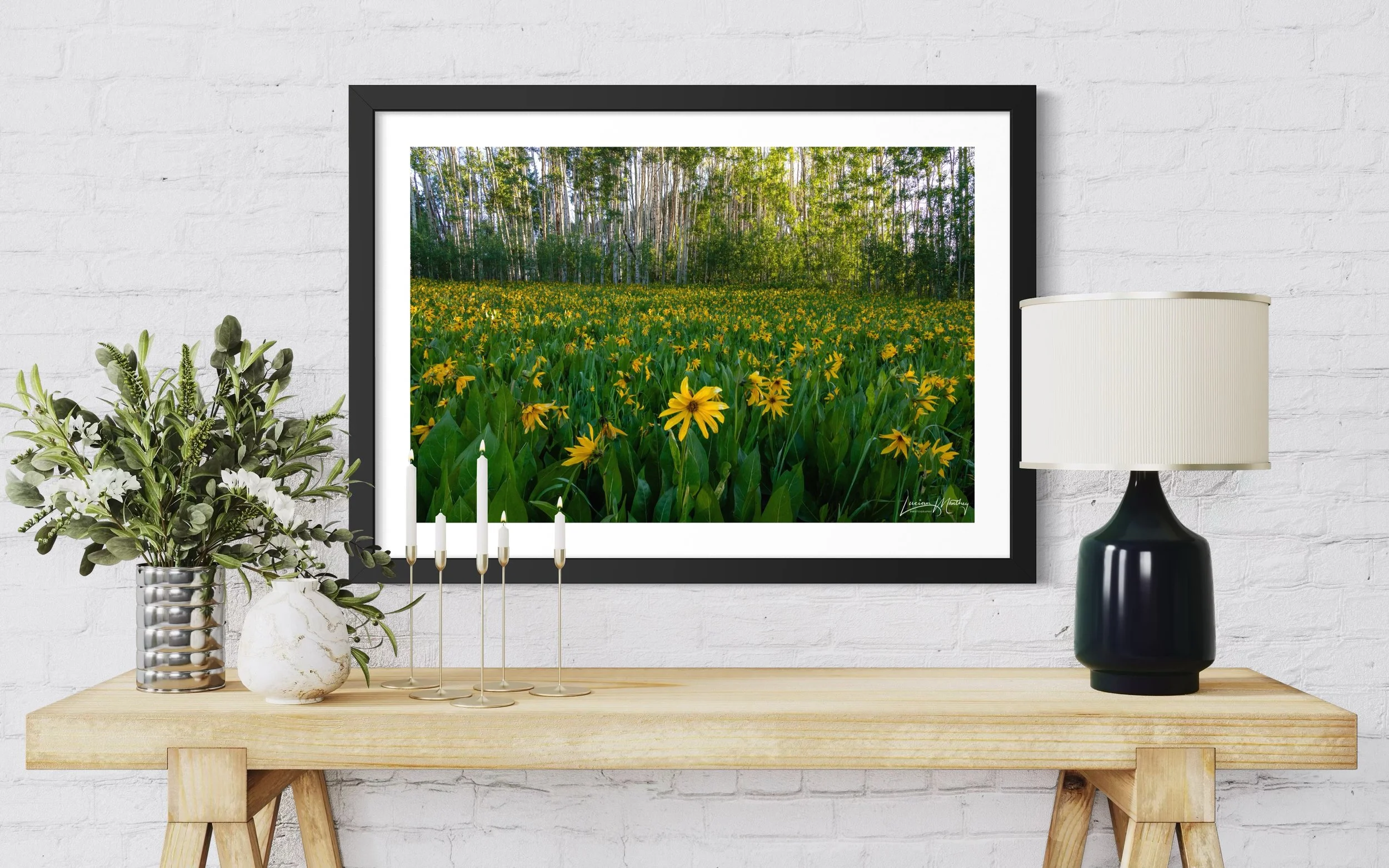
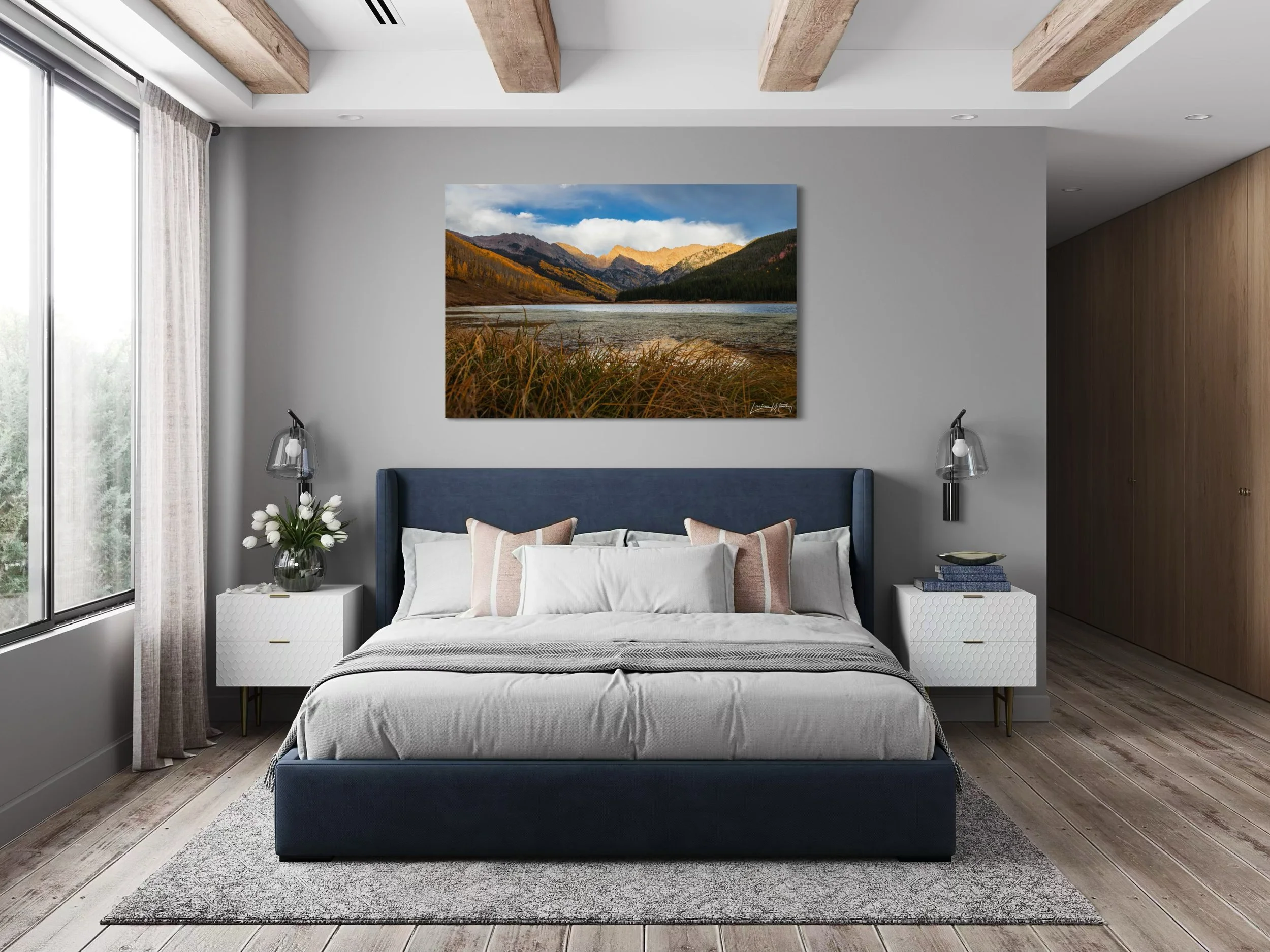
For prints above furniture: The print should be 60–75% of the furniture's width. A standard 84-inch sofa means you want something in the 50–60-inch width range. Most people buy a 24×36 for this application and immediately wish they'd gone bigger.
For a standalone statement wall: Use painter's tape to mark the dimensions on the wall before you order. It sounds simple, but almost nobody does it. It takes five minutes and prevents an expensive, frustrating mistake. Mark the width, mark the height, step back. You'll know immediately whether you need to go bigger.
Viewing distance matters more than people expect. A loose working rule: your ideal print width is roughly half your typical viewing distance. Sitting 10 feet from a wall? Something around 60 inches wide delivers the full visual impact. Closer rooms — a home office where you're 5–6 feet away, a bedroom where the print is above the headboard — tolerate and often prefer smaller sizes.
| Size | Best use |
|---|---|
| 16×24 / 20×30 | Home offices, bedroom accent walls, hallways, smaller spaces |
| 24×36 | Compact living rooms, above a desk, secondary walls |
| 30×45 / 40×60 | Primary living room focal point, above a sofa, main wall statement |
| 48×72 and larger | Great rooms, above a fireplace, vaulted ceiling walls |
| 20×60 / 24×72 panoramic | Long horizontal walls, sweeping ridgeline and valley views |
When in doubt between two sizes, go bigger. Large wall art reads as intentional and confident. Art that's too small reads as hesitant.
A note on panoramic prints. Colorado's mountain ranges — particularly sweeping ridgelines and wide valley views — lend themselves naturally to wide, horizontal formats. If you're drawn to a scene that feels cramped in a standard aspect ratio, don't force it into a square crop. A 20×60 or 24×72 panoramic can transform a long wall in a way no square print can match. Many photographers offer these formats; it's worth asking.
Buying Direct from the Photographer vs. a Marketplace
Here's something the marketplace platforms don't prominently advertise: they're frequently using print-on-demand services where the photographer uploaded a file and the platform handles production with minimal oversight. The photographer may not have selected the print medium, calibrated the color profile, or even tested the output. Some photographers don't even have physical copies of their own marketplace prints.
That's not always a problem. For inexpensive decorative prints, it's probably fine. But for fine art Colorado landscape photography where you're making an investment and planning to live with a piece for decades, it's worth understanding what you're getting.
When you buy Colorado landscape photography prints directly from the photographer, a few things change. The photographer has typically tested and approved every medium they offer. Color management is calibrated to the specific image, not a generic export. If something arrives wrong, you're talking to the person who made the image — not a customer service robot.
There's also the edition question. Limited edition prints — where the photographer commits to printing only a certain number of a given image — are almost always sold direct. Open editions are the norm on marketplaces. This matters if you're thinking about this as more than decoration.
At Lucian Manthey Photography, every print is produced through one of the best fine art labs in the United States, with color calibration maintained from the original RAW file to the final print. Every medium offered — giclée, Gallery Metal, and TruLife Acrylic — has been personally tested across multiple print runs, not just listed because it's available.
You can browse the full Colorado collection at lucianmanthey.com and see the specific mediums, sizes, and edition details for each image.
What to Expect When You Order
Fine art printing is not instant, and first-time buyers are often surprised by the timeline. A quality fine art lab takes 5–10 business days to produce the print. Shipping adds time on top of that. For large-format acrylic or metal prints, crating and freight handling can extend the timeline further. Plan for 2–3 weeks from order to delivery for most prints. A little longer for very large sizes, specialty mediums, or holiday periods.
Packaging. Reputable fine art labs pack prints to survive real shipping conditions, not ideal ones. Large acrylic and metal prints ship in custom-cut foam inserts inside custom-built plywood crates. Rolled giclée prints (for sizes that roll safely) come in archival tubes. If your print arrives damaged, photograph the packaging and the print immediately before moving anything, then contact the seller. Fine art shipments should be covered under the seller's damage policy.
Hanging large prints. For anything over 24×36, plan for a second pair of hands. Large acrylic and metal prints are heavier than they look in mockups, and the margin for error when hanging is slim. For anything 40×60 and up, French cleats are worth the extra setup and make future repositioning much easier.
Returns and satisfaction guarantees. Policies vary significantly. Read the fine print on damage claims. A photographer who stands behind their work will make it right if the color is off or the print is damaged in transit.
Caring for Your Print
This doesn't require much, but it's worth knowing.
Direct sunlight is the main enemy. UV radiation fades prints over time, even archival ones. Position prints away from windows that get direct sun for extended periods. If repositioning isn't possible, UV-filtering window film is a reasonable solution.
Dust carefully. For acrylic prints, use a soft microfiber cloth and go gently — acrylic surfaces can scratch. Metal prints are more forgiving and can be wiped with a slightly damp cloth. For framed giclée prints, dust the frame and glass, and avoid touching the print surface itself.
Temperature and humidity. Extreme swings in either direction aren't good for any print medium. Avoid hanging prints directly above heating vents or in spaces that get very humid (an unframed giclée in a steamy bathroom, for example, is asking for trouble).
That's genuinely it. A well-produced print treated with basic care will outlast the furniture around it.
Frequently Asked Questions
What's the best print medium for Colorado landscape photography prints?
Depends on the image and the space. For maximum visual impact in a modern interior, TruLife Acrylic. For color accuracy and classic elegance, giclée on fine art paper. For something durable, mid-range, and frameless, Gallery Metal. Canvas works well for casual spaces or buyers who prefer a warm, textured aesthetic. There's no universal answer — but there's usually a clear right answer for a specific image in a specific room.
How big should a landscape print be above a sofa?
Aim for 60–75% of the sofa's width. For a standard 84-inch sofa, that's roughly 50–63 inches wide. In practical print sizes, a 40×60 is a strong choice. Most people go too small here — when in doubt, mark the dimensions on the wall with painter's tape before ordering.
Is it better to buy Colorado landscape photography prints directly from the photographer?
Generally yes, if long-term quality matters to you. Direct purchases come with calibrated color profiles, tested print mediums, and direct accountability if something goes wrong. Marketplace platforms are convenient but vary significantly in quality control, and the photographer often has limited involvement in the actual production.
How long do fine art photography prints last?
Properly produced giclée prints with pigment inks on acid-free paper can last 100+ years without significant fading under normal indoor conditions. TruLife Acrylic and Gallery Metal prints with UV-protective coatings carry manufacturer fade ratings in the 75–100 year range. Direct sunlight accelerates fading on all mediums — that's the main variable to manage.
Can I get a custom size?
Many photographers who sell direct will accommodate custom sizing, especially for panoramic formats or non-standard aspect ratios. It's always worth asking before assuming you're limited to the sizes on the product page.
Why does the print look different from what I saw on my screen?
Your monitor emits light. Your print reflects it. These are fundamentally different visual experiences, and the print will always read quieter and more natural than an illuminated screen version of the same image. A well-produced print has its own quality that a screen can't replicate — the three-dimensional depth in an acrylic print, the subtle surface texture of fine art paper. This isn't a flaw; it's the nature of the medium.
Not sure what size will work in your space?
Send me a straight-on photo of your wall and its width in inches, and I'll send back a free custom digital mockup showing different print sizes in your actual room.
Request a free mockup →Colorado has no shortage of images worth living with. Rocky Mountain National Park. The San Juans. The remote aspen forests of the West Elk Wilderness. A high alpine lake at first light. These aren't scenes you see once and forget.
Getting the print right means you carry something real forward. Take your time with it. Tape out the wall. Think about the light in the room and when it hits. And when you've found the image that actually stops you — the one you keep going back to — invest in it properly.
Landscape photography prints are a long-term purchase. The right medium, the right size, and the right source make the difference between something you love for decades and something you replace in three years.Ready to find the perfect print?
Every Colorado print ships free in custom protective packaging.

